Traveling With Bipolar Disorder: What Helps Me Stay Stable
Some links on this blog are affiliate links. If you click a link and make a purchase, I may earn a small commission, at no extra cost to you. I only share services and products I personally use or believe can genuinely support mental health. 💙
At a Glance:
Plan ahead: create a calming packing list and take extra meds
Talk with your treatment team before you leave
Travel with companions who are supportive
Prepare for stress triggers and jet lag
Buy travel insurance that includes mental health and pre-existing conditions coverage
It starts with that familiar, nagging pre-flight anxiety, the kind that doesn't just feel like "jitters," but feels like a potential threat to your hard-earned stability.
Massive crowds at the airport, flight delays, and lost luggage are all part of pre-flight anxiety. Throw in rude passengers and frustrating language barriers, and stress levels can really skyrocket. We all know that stress is a common trigger for a bipolar episode. Dealing with bipolar disorder can be tough when you are far away from home.
On the flip side, travel is an amazing experience that can help you feel more connected to the world. Last summer, I finally took a real break and went on a Royal Caribbean cruise. I won’t hide the truth: I experienced travel anxiety at times. But, in the end, it was exactly what my mind and body needed: ocean air, long naps, and zero phone notifications.
Things That Help Me Stay Stable While Traveling With Bipolar
#1 Making a Solid Packing List
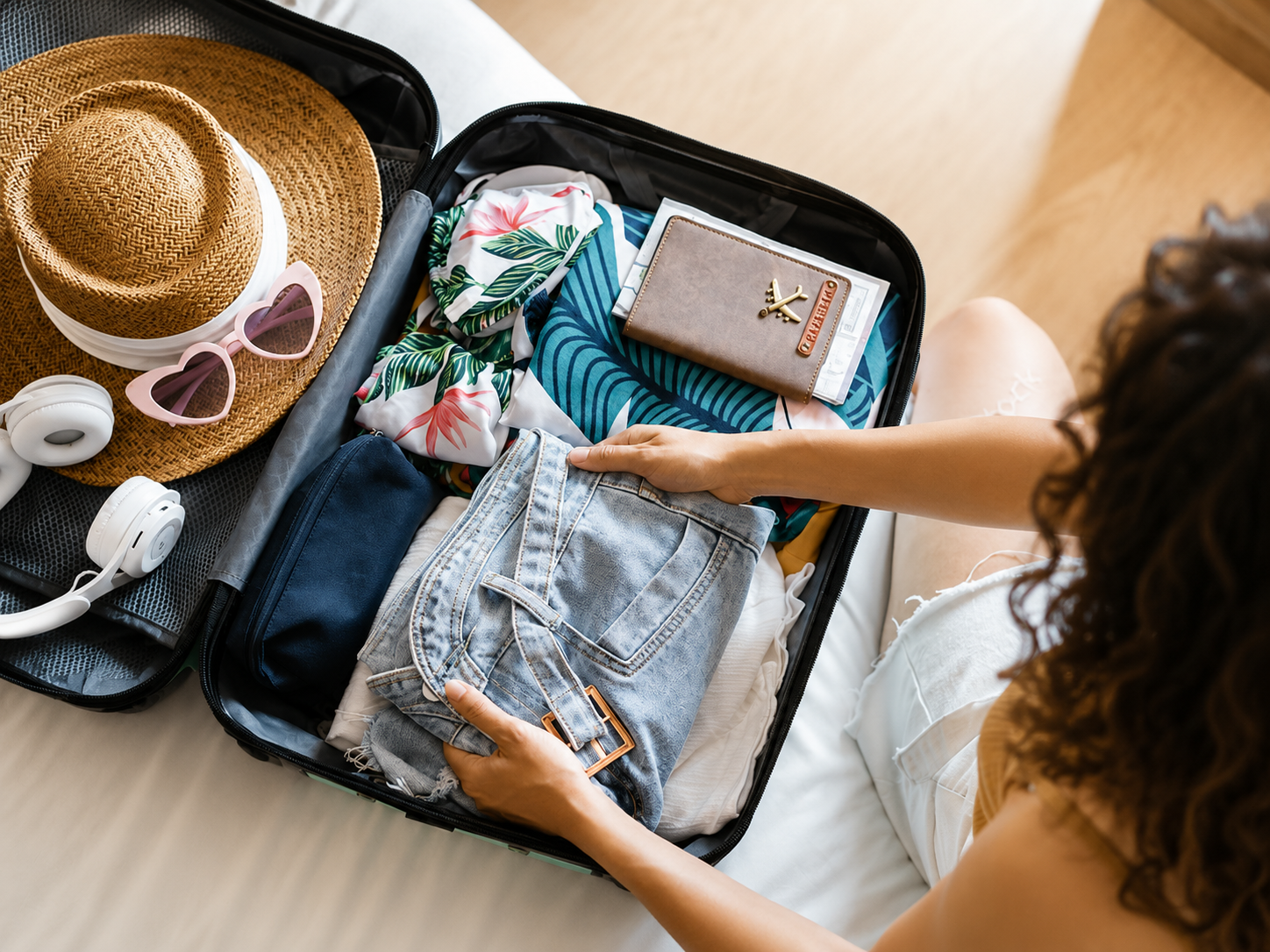
Over time, I've learned that what I pack can make a big difference in how I feel while traveling. These are a few things I almost always bring with me when I travel with bipolar disorder:
Extra medication. I always pack more medication than I think I'll need in case of delays or unexpected changes in plans.
A refillable water bottle. Staying hydrated is especially important for me because I take lithium.
Airpods. Airports, airplanes, and crowded destinations can be overstimulating. Airpods help me create a calmer environment when I need a break.
An eye mask and sleep essentials. Protecting my sleep is one of the most important things I can do to support my mental health while traveling.
Silk + Sonder. I use it to track my mood and sleep while traveling. When routines change and time zones shift, having one place to check in with myself helps me stay aware of how I'm doing.
Comfort items. I always pack something that helps me feel grounded when I'm away from home. This might be a good book or my favorite playlist.
#2 Planning Ahead
When it comes to travel anxiety, planning your trip in advance can minimize stress by a TON! Tips to help you prepare:
Take extra bipolar medications. This can be helpful in case you lose yours or have travel delays. Also, keep meds in the original container in a backpack, belt bag, or purse, rather than your carry-on. Sometimes, airplanes will check make passengers carry-on luggage at the gate.
Be cautious with controlled meds: If you will be traveling with controlled medications like benzodiazepines, get a note from the prescribing doctor that lists the medication name, dosage, and why you take it. Be aware that many psychotropics are considered controlled substances in some countries, even if they aren’t in the U.S.
If you are traveling internationally, make sure you have a passport. Ensure that it has at least 6 months’ validity. Do this even if you take a cruise (where passports are sometimes not required). If you have an episode on board and need to fly home early, you will need a passport.
Research the destination. Have a detailed itinerary and plan for what you will do and see. I took a cruise so this part was easy.
Know what you will do if you have increased bipolar disorder symptoms. The things that work for you at home will probably also work for you on vacation.
Understand what you will do in case of an emergency. It’s best to be prepared in case you do need to seek help or go to the ER for either a medical or mental health crisis.
#3 Talking With My Treatment Team
Make an appointment with your treatment team members right before your trip. Discuss any travel anxiety and concerns that you have with them. Perhaps your therapist or counselor can come up with interventions to help you better cope with travel anxiety. Maybe your psychiatrist can prescribe PRN (as needed) medications for the trip to reduce the chance of a manic episode.
#4 Traveling With a Close Friend or Family Member
Traveling with loved ones who help you feel safe and comfortable can make a big difference when it comes to feeling comfortable traveling when you have bipolar. Your loved one may be able to assist you in coping with bipolar disorder symptoms and help you feel safer.
Make sure the person is aware of your mental health history. Also, make sure they know what to do in case there is a crisis. If you don’t travel with a loved one, make a plan to check in with your support system back home while you are on vacation.
#5 Identify What Causes the Most Travel Anxiety
Maybe you become anxious because you are always rushing to the airport before your flight or perhaps you always wait until the very last minute to pack, which inevitably means that you forget things you need, like your medication! Whatever it is that causes stress, take steps to manage it. My travel anxiety triggers include:
Loss of routine
Fear of flying
Jet lag/insomnia or changes in sleep
Feeling anxious about plans
Fear of missing a flight or connection
Forgetting medications
Forgetting your ID/Passport
Being separated from loved ones/supportive people
The good news is that you can easily manage most of these triggers. Plan ahead. Pack several days in advance and double-check that you have everything. A packing checklist can be helpful here.
Manage pre-flight anxiety by giving yourself time for delays and other issues. Leave for the airport much earlier than usual. Choose non-stop flights if possible. Avoid flights that are very early or late in the day.
#6 Using Coping + Mindfulness Tools
Things like mindfulness meditation can be helpful when traveling. Fortunately, you can practice these on the go with various apps. Before you leave, try out various meditation apps to find which one — or two — you like best.
My Favorite Apps (use at the airport to manage pre-flight anxiety, hotel, anywhere)
This app can help lower travel anxiety and stress. It is also great for bipolar travel because it supports better sleep routines.
Breathing exercises, guided meditations, sleep stories
Designed to reduce anxiety, improve sleep, and support mental health habits
If you get pre-flight anxiety, meditate when you take off and land. This will help calm your nervous system.
Headspace is great for travel anxiety. Offers hundreds of guided meditations.
Very beginner-friendly interface
Structured mindfulness programs and quick anxiety exercises
Good for: grounding during travel transitions and panic spikes.
I like Silk + Sonder because you can use it to track both your sleep and mood while traveling. It includes a monthly guided journal and an app. When routines change and time zones shift, having one place to check in with myself makes it easier to spot patterns and stay grounded.
#7 Buy Travel Insurance
Travel insurance can help pay for medical expenses if you become injured or ill or even have a manic episode while traveling. However, it’s crucial to ensure that the policy covers pre-existing mental health conditions. Some travel insurance companies do, but many do not. Closely read the fine print and call the company to verify.
#8 Being Prepared for Jet Lag
One of the most important travel tips for bipolar disorder is to be aware of jet lag. Jet lag typically occurs if you take a flight across more than two time zones. This phenomenon can seriously mess with your mental health and cause bipolar episodes. The change in time zones disrupts your circadian rhythm (24-hour clock) and affects both your sleep and eating schedules. This can lead to irritability and jet lag depression or even mania.
It can help to remind yourself that jet lag is temporary and will go away. You can also make sure you get plenty of sunlight in the morning. Avoid alcohol and caffeine as they can make jet lag worse.
Stay Positive and Have Fun!
Traveling with bipolar disorder might have its challenges, but it’s worth the effort. It can improve your well-being. If you go into travel with the idea that you are well prepared for an adventure, you are more likely to have a smooth, fun journey.
People Also Ask (FAQs)
Here are some frequently asked questions about traveling when you have bipolar disorder.
Should people with bipolar travel?
Absolutely! With the right planning, people who are diagnosed with bipolar disorder can travel. In fact, many people find it deeply rewarding, as it offers growth opportunities. The key is self-awareness and careful planning.
Are there any bipolar travel restrictions?
In most cases, there are no travel restrictions for people with bipolar disorder. You can travel both domestically and internationally. However, it is a good idea to be aware of things that trigger an episode for you. It’s also important to plan. Some countries have rules about medications (especially controlled substances like benzodiazepines), so it’s a good idea to be aware of those.
Does bipolar affect travel insurance?
It’s important to know that having bipolar disorder can affect travel insurance coverage. It may be considered a pre-existing condition, and many travel insurance companies don’t cover pre-existing conditions. Always check the coverage before purchasing a policy.